
STRESS AND YOUR LIVER'SENERGY
October Newsletter - How Stress Drains Your Liver's Energy What helps
A Stressed Liver Makes More Sugar
Even One Stressful Episode Counts
In traditional Chinese medicine, there's a saying that the liver 'stores the soul and controls the deliberations', in other words, your liver plays a real role in how you process emotion, not just what you eat or drink.
I see this constantly in my coaching community. Family, social and work demands can easily swallow up your time and energy, and that stress takes a toll on your liver and your energy, whoever you are. For women, it can affect menopause symptoms too.
So this month, what's actually happening in your liver when you're understress, and three things that can help.
Good luck, and remember I'm here for you. Your feedback helps me tobetter support you.
Why this Matters
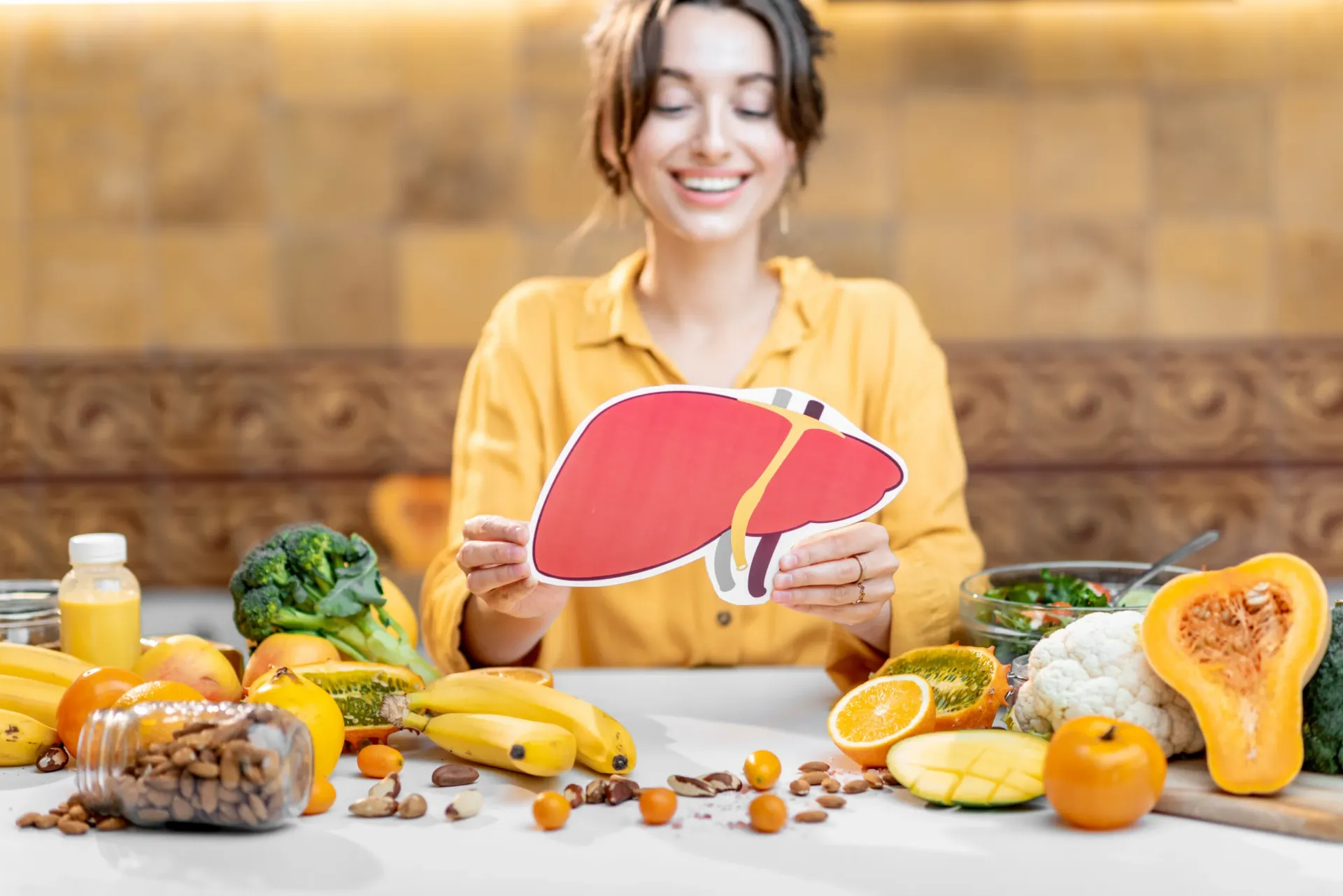
- Each of your liver cells holds up to 2,000 tiny energy factories called mitochondria, making up around 18% of the cell, and researchers now know that even a single stressful episode can disrupt how well they work.
- When you're stressed, cortisol rises, and that tells your liver to release stored sugar into your bloodstream. Over time, this can tip you toward insulin resistance.
- Stress also reduces blood flow to your liver, lowering oxygen delivery to those energy-producing mitochondria and causing inflammation. Because your gut and liver are in constant two-way communication, your gut health can suffer too.
- Combined with menopause-related insomnia, a tired, inflamed livercan contribute to fatty liver conditions such as NAFLD.
Make it Easy
- If your blood work has shown raised liver enzymes, whether or not you drink alcohol, it's worth asking your GP whether stress could be playing a part.
- Notice your full stress load, not just work and family pressures, but also the physical stress of intense training or exercise, since your liver feels both.
Training Hard? Your Liver Is Working Overtime
Cortisol, Cholesterol and Progesterone
Why this Matters
- Your muscles only store enough energy for about 20 seconds of hard effort, so during exercise, your liver is constantly topping up your blood sugar and clearing lactic acid to keep you going.
- The harder you train, or the more stress you're under day to day, the more cortisol your adrenal glands produce, and your liver plays a part in that too, converting cortisone into active cortisol.
- Producing more cortisol also demands more cholesterol from your liver, and it uses up progesterone along the way, so when progesterone drops relative to oestrogen, menopause symptoms can feel worse.
Make it Easy
- If you're training intensely, including heavy weights, through perimenopause or menopause, build in extra recovery. Your liver needs the rest as much as your muscles do.
- If your symptoms feel worse after a demanding training block or a stretch of poor sleep, it's worth looking at your overall stress load, not just your hormones.
What Alcohol Does to an Already Tired Liver
Worth Knowing, Not Judging
Why this Matters
- Alcohol damages your liver's mitochondria directly, increasing oxidative stress and impairing its ability to clear out damaged cells.
- An inflamed liver during menopause produces fewer of the enzymes that break down alcohol, which is part of why some women find certain drinks make their hot flushes worse.
- Alcohol also converts into a form of oestrogen in the body, worth knowing if you're managing your oestrogen levels for any reason.
Make it Easy
- If you've noticed alcohol seems to trigger your hot flushes, that's a real physiological link, not just in your head, so it's worth experimenting with cutting back.
- Give your liver extra recovery time after drinking, especially around a demanding week.
Bonus tip
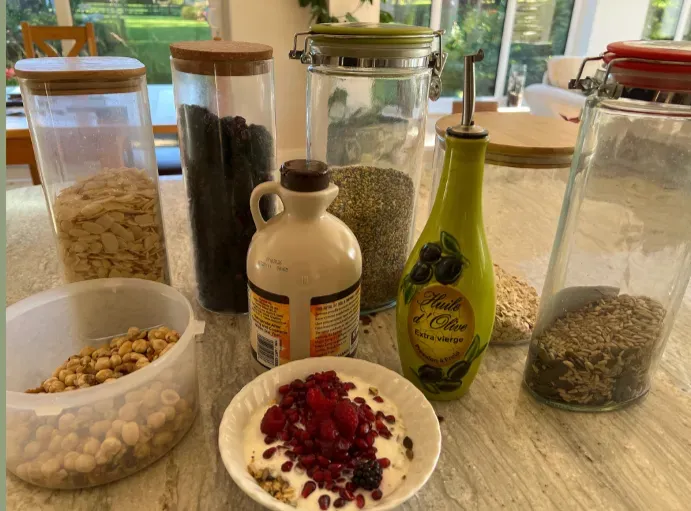
A Simple Liver Ally: Extra Virgin Olive Oil
Extra virgin olive oil helps protect your liver's mitochondria, reducing oxidative stress and boosting energy production, even against the damage of a high fat diet.
Around 20ml a day, about a tablespoon and a half, is enough to help support your mitochondrial function.
Satinder Sanghera is an NHS & Private GP, UKIHCA registered HealthCoach, Lifestyle Medicine doctor, Lifestyle Menopause & NLP Practitionerwith a background in leadership. She helps high performing professionals who feel exhausted, overwhelmed or stuck due to life or health challenges.
Satinder knows how hard it can be to walk through change, having navigated personal traumas, disability, life-threatening and serious health conditions over 40 years.
Satinder teaches sustainable, simple strategies that help her clients reclaim their energy and feel like themselves again.